.How molecular imaging and soluble markers reveal pathology and inflammation change in dementia.
- Mon 30th Nov 2026
- 19:30-21:00
- Wolfson Lecture Theatre, Churchill College, Storey's Way, Cambridge, CB3 0DS and Zoom
- Add to calendar
View location
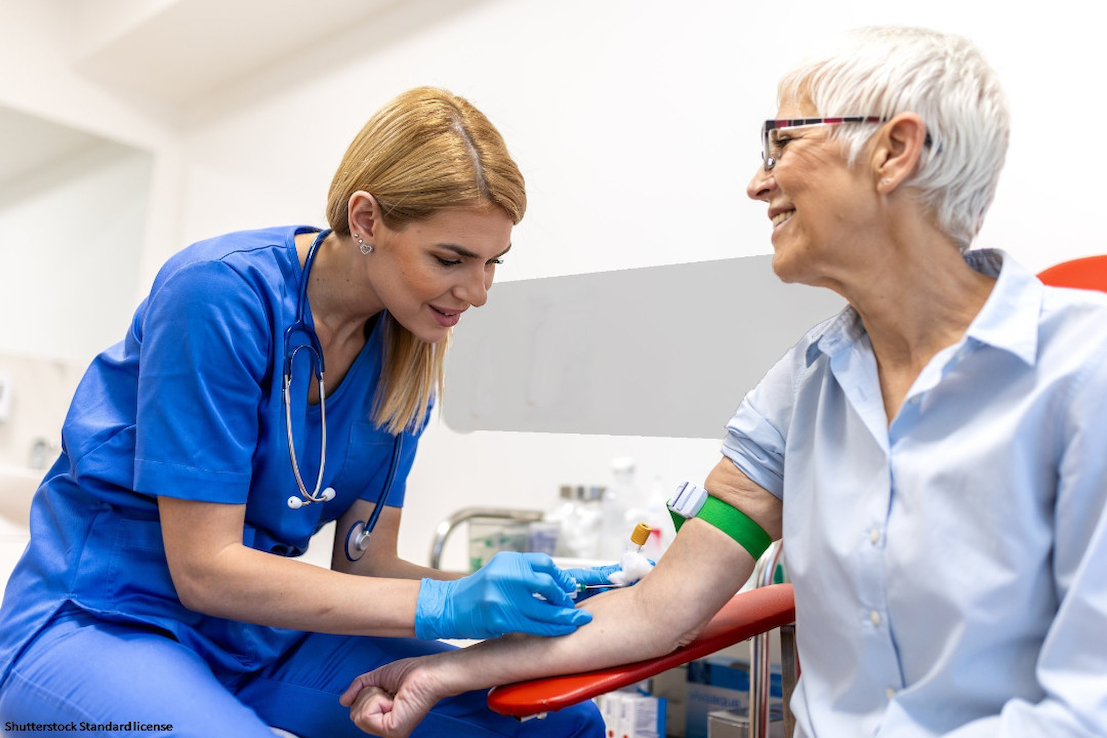
Dementia arises from a complex interplay of protein accumulation, inflammation, synaptic dysfunction and neurodegeneration. Understanding these processes in living people is essential for earlier diagnosis, more accurate prognosis and the development of effective treatments. In this lecture, Dr Maura Malpetti will discuss how positron emission tomography (PET) imaging and emerging blood tests can be combined to provide complementary windows onto brain biology in dementia. PET enables researchers to visualise and quantify molecular processes within the brain, including abnormal protein deposition, neuroinflammation, synaptic loss and altered metabolism. Blood-based biomarkers offer a more scalable and repeatable way to measure biological change across larger populations and over time.
Dr. Maura Malpetti, Dept. Clinical Neurosciences; UK Dementia Research Institute
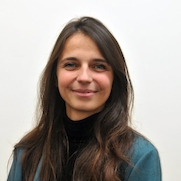
Dr Maura Malpetti is a Research Professor and Group Leader in the Department of Clinical Neurosciences at the University of Cambridge. She is a Race Against Dementia Alzheimer’s Research UK Fellow and an affiliated principal investigator at the UK Dementia Research Institute. She trained at Vita-Salute San Raffaele University (BSc, MSc) before completing her PhD in Clinical Neurosciences at Cambridge, and subsequently held visiting research positions at the University of California, San Francisco, and Ludwig Maximilian University of Munich. Her research focuses on multimodal biomarkers to investigate neuroinflammation, tau pathology, and synaptic dysfunction in people with primary tauopathies, frontotemporal dementia and related disorders. Her lab integrates imaging (PET, MRI), fluid biomarkers, and clinical data with neuropathological validation to identify early diagnostic and prognostic markers, and therapeutic targets, as well as to enable patient stratification and support the development of targeted disease-modifying therapies, with a strong emphasis on translational impact. She is the founder and lead of the Open Network for Frontotemporal Dementia Inflammation Research (ON-FIRE), a nationwide initiative connecting over 40 UK centres to characterise neuroinflammatory mechanisms and accelerate clinical research and trial readiness in sporadic frontotemporal dementia.
Attending lectures
The lecture will be preceded by a short presentation from a CSAR PhD Award Winner.
Inside the Cell: Engineering Antibodies to Fight Dementia
Dr Sophie Keeling, Investigator Scientist at the Laboratory of Molecular Biology, Cambridge
Thank you for your interest in CSAR and its programme. If you would like to help us maintain our activities at their current level, you can make a donation to CSAR here, via PayPal or a bank card. Your gift will by default go into our general income fund; if you would like it to be used for a specific purpose such as the PhD Students Awards scheme, please let us know at info@csar.org.uk. CSAR is a registered charity run by volunteers.